Industrial Hydaulic Bale Press Machine Supplier & Exporter
In today's industrial landscape, efficient waste management is not just an environmental necessity but a critical component of operational efficiency and cost reduction. Industrial Hydraulic Bale Press Machines play a pivotal role in this by significantly reducing the volume of various recyclable materials, making them easier to store, transport, and process. Mech Heart Machineries Pvt. Ltd. stands as a dedicated supplier and exporter of these essential machines, catering to a diverse range of industries seeking robust and reliable solutions.
Established in 2020 and based in Vatva, Ahmedabad, Gujarat, Mech Heart leverages over 8 years of industry experience to deliver machinery that meets stringent quality standards. We specialize in providing hydraulic baling presses tailored for materials such as FIBCs (jumbo bags), woven bags, tarpaulins, and plastic raffia waste. Our commitment is to offer machinery solutions that ensure consistent quality and are backed by customer-focused service, helping businesses streamline their waste handling processes.
Understanding Industrial Hydraulic Bale Press Machines
An Industrial Hydraulic Bale Press Machine is a heavy-duty piece of equipment designed to compress and compact waste materials into dense, manageable bales. The primary function is to drastically decrease the volume of materials like used packaging, plastic waste, textiles, and more. This process is fundamental for industries dealing with significant volumes of post-consumer or post-industrial waste, including recycling plants, plastic processing units, textile manufacturers, packaging companies, and large warehousing facilities.
The operation is straightforward yet powerful. Waste material is fed into a loading chamber. A hydraulic ram then exerts immense pressure, compacting the material into a uniform, dense bale, which is subsequently secured, typically with strapping. This transformation is crucial for optimizing storage space, reducing transportation costs, and facilitating easier disposal or recycling processes. These machines are engineered for durability and high compression efficiency, contributing to overall operational savings and improved waste management strategies.
Key Components and Operation
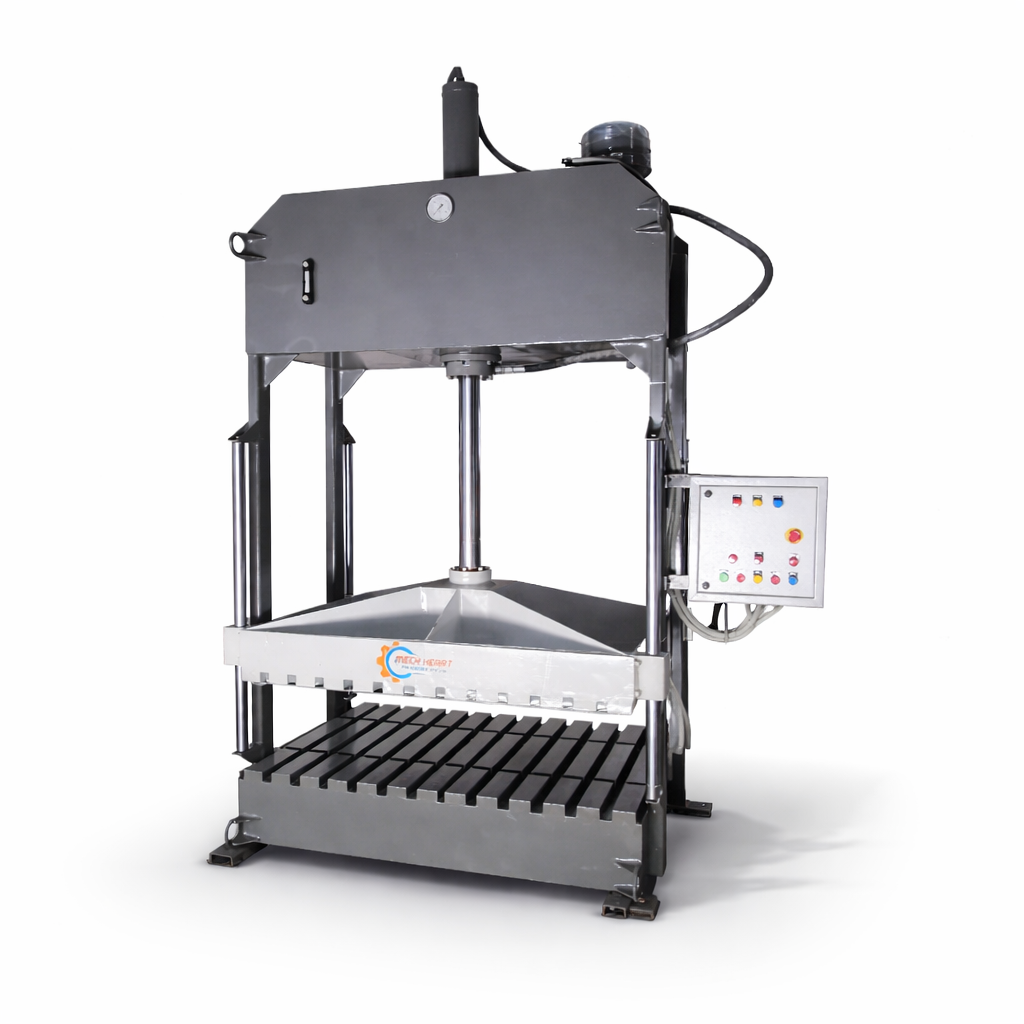
At its core, a hydraulic baling press utilizes hydraulic power to generate the force needed for compression. The main components include:
- Loading Chamber: The area where waste material is placed for compaction.
- Hydraulic Ram/Cylinder: The powerhouse that applies intense pressure to the material.
- Power Unit: Houses the hydraulic pump, motor, and fluid reservoir.
- Bale Ejection Mechanism: Assists in removing the finished bale.
- Control Panel: Allows operators to manage the baling cycle.
The baling process involves loading, pressing, tying (manual or automatic, depending on the model), and ejecting the bale. This systematic approach ensures consistent bale density and size, maximizing efficiency in waste handling.
Versatile Applications Across Industries
The utility of Industrial Hydraulic Bale Press Machines extends across a wide spectrum of industrial sectors. Their ability to handle diverse waste streams makes them indispensable for efficient resource management and environmental compliance.
Packaging Waste Management
Ideal for compacting used FIBC (jumbo bags), woven sacks, and tarpaulins generated in manufacturing and logistics. Reduces storage needs and prepares materials for recycling.
Plastic Recycling
Essential for plastic processing units dealing with raffia waste, film, and other plastic by-products. Compresses materials to facilitate easier transport to recycling facilities.
Textile Manufacturing
Handles fabric scraps, offcuts, and waste materials, reducing bulk and improving housekeeping in textile production environments.
Warehousing & Distribution
Manages large volumes of cardboard, plastic wrap, and other packaging waste generated in retail and distribution centers, optimizing space and reducing disposal costs.
Paper & Cardboard Recycling
Efficiently bales waste paper, cardboard, and newspapers, a common requirement in printing houses, offices, and waste paper collection centers.
By consolidating waste into dense bales, these machines significantly decrease the space required for storage and reduce the frequency and cost of waste transportation. This directly contributes to a cleaner operational environment and enhanced profitability.
Benefits of Investing in a Hydraulic Bale Press
Implementing an Industrial Hydraulic Bale Press Machine offers tangible advantages that impact operational efficiency, cost savings, and environmental responsibility.
- Cost Reduction: Minimizes waste disposal fees and transportation expenses by reducing waste volume.
- Space Optimization: Frees up valuable floor space by compacting bulky waste materials.
- Improved Efficiency: Streamlines waste handling processes, allowing staff to focus on core operations.
- Environmental Sustainability: Promotes recycling and reduces landfill waste, contributing to a greener operation.
- Enhanced Safety: Reduces clutter and tripping hazards, creating a safer work environment.
- Revenue Generation: Compacted recyclable materials can often be sold, turning waste into a resource.
- Operational Streamlining: Simplifies the collection and management of diverse industrial waste streams.
Choosing the Right Industrial Hydraulic Bale Press
Selecting the appropriate hydraulic bale press machine is crucial for maximizing return on investment and ensuring operational efficiency. Consider the following factors:
Types of Balers
Hydraulic balers generally come in two main configurations:
- Vertical Balers: These are more compact and suitable for businesses with lower volumes of waste or limited operational space. They are user-friendly and ideal for general-purpose waste compaction.
- Horizontal Balers: Designed for higher volume operations and continuous waste processing, these machines are larger and can produce heavier bales. They are suited for large manufacturing plants, recycling facilities, and distribution centers that generate substantial waste.
Key Selection Criteria
Material Type and Volume: Understand the primary types of waste you need to bale (e.g., FIBCs, plastic, cardboard) and the average volume generated daily or weekly. This will dictate the required capacity and chamber size.
Bale Size and Density: Consider the standard bale sizes required by your chosen recyclers or for ease of transport. The machine's compression force directly influences bale density, impacting weight and handling.
Operational Space: Evaluate the available space for the machine. Vertical balers require less footprint, while horizontal balers need more extensive space but offer higher throughput.
Automation Level: Balers can range from manual tying to fully automatic tying systems. Automatic systems increase efficiency but come at a higher initial cost.
Power Requirements: Ensure your facility's power supply is compatible with the machine's motor and operational needs.
Quality Checks Before Purchase
When evaluating a supplier, ensure they can provide documentation or demonstrate the following:
- Robust construction with durable materials for longevity.
- Reliable hydraulic system with quality components.
- Effective safety features, including emergency stops and guards.
- Consistent bale formation and density.
- Ease of operation and maintenance.
Questions to Ask Your Supplier
- What are the recommended applications for this specific model?
- What is the typical bale weight and density achievable for my materials?
- What maintenance is required, and how often?
- What kind of operational support or training is provided?
- What are the lead times for delivery and installation?
Mech Heart: Your Trusted Partner in Waste Management Machinery
Mech Heart Machineries Pvt. Ltd. is committed to providing reliable and efficient industrial machinery solutions. Based in Vatva, Ahmedabad, Gujarat, we have developed a strong understanding of the challenges businesses face in managing industrial waste. Our expertise, built over 8 years in sectors like Woven Sack Packaging and FIBC Industries, allows us to offer targeted solutions.
We specialize in manufacturing, exporting, and trading Hydraulic Bale Press Machines designed to handle the specific needs of industries working with FIBCs, woven bags, tarpaulins, and plastic raffia waste. Our focus is on delivering machinery that is not only high-quality but also contributes to operational cost savings and environmental sustainability for our clients. We are a Limited Company with an Import Export Code (IEC: AANCM9247P), signifying our capability to serve international markets.
Buyer Insight: Investing in a quality hydraulic bale press machine is a strategic decision that yields long-term benefits in waste reduction, operational efficiency, and cost savings. Mech Heart is dedicated to providing machinery that aligns with these objectives, supported by a commitment to consistent quality and customer satisfaction.
For sales inquiries or to discuss your specific requirements, you can reach us at +91 90548 80337. For service support, please contact +919033372386. We are equipped to offer reliable machinery solutions tailored to your industrial waste management needs.
Frequently Asked Questions
What types of waste can an industrial hydraulic bale press handle?
Industrial hydraulic bale presses can handle a wide variety of waste materials, including FIBCs (jumbo bags), woven sacks, tarpaulins, plastic raffia waste, cardboard, paper, textiles, and certain types of metal scrap. The specific capability depends on the model and its design.
What is the difference between a vertical and a horizontal baler?
Vertical balers are more compact and suitable for lower volumes and limited space, typically operated manually. Horizontal balers are larger, more powerful machines designed for high-volume, continuous waste processing and often feature automatic tying systems.
How does a hydraulic bale press improve cost efficiency?
It reduces waste disposal fees and transportation costs by compacting waste into dense bales. Furthermore, it can optimize storage space and potentially generate revenue if recyclable materials are sold.
Is a hydraulic bale press environmentally friendly?
Yes, these machines are crucial for promoting recycling by making waste management more efficient. They help divert significant amounts of waste from landfills, contributing to a more sustainable industrial practice.
Ready to Optimize Your Waste Management?
Enhance your operational efficiency and embrace sustainable practices with a high-quality Industrial Hydraulic Bale Press Machine from Mech Heart Machineries Pvt. Ltd. As a trusted supplier and exporter, we are ready to help you find the perfect solution for your waste compaction needs.
Contact us today for a consultation and quote!
Sales Inquiry: +91 90548 80337
Service Support: +919033372386